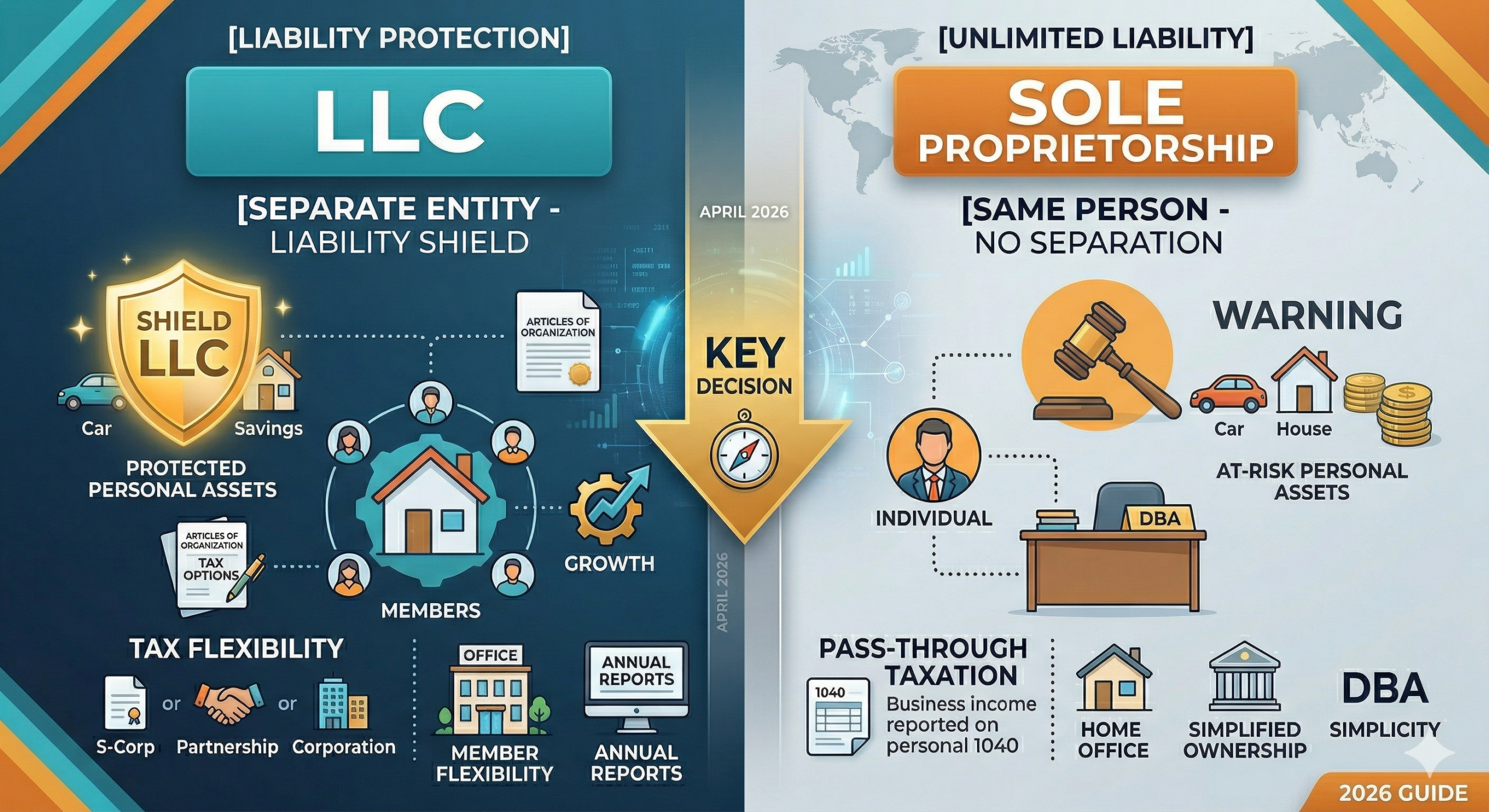
A Limited Liability Company (LLC), usually called a “Private Company Limited by Shares” (LTD) in Ireland, is one of the most popular business structures among both Irish and international entrepreneurs. These companies are well-liked due to straightforward registration, the availability of 100% foreign ownership, limited liability protection, and an especially competitive corporate tax rate of 12.5%. For those trading or holding assets in Europe, an Irish LLC offers flexibility and robust legal protections.
Knowing how to properly dissolve your Irish LLC and how to check its ongoing status via official government registers is crucial for avoiding penalties or complications down the road. For additional context on business entity structures and their comparisons, you can explore a comprehensive business entity guide.
What is LLC Dissolution
Dissolving an Irish LLC means legally winding up the company. The Companies Act 2014 governs this procedure. Dissolution can occur when members decide to close the business (voluntarily) or by order if the company breaches compliance (involuntarily).

Common motivations might include a completed business venture, changing market focus, or no longer wishing to maintain the annual regulatory and accounting requirements set by Irish law.
When you dissolve an LLC in Ireland, the company’s separate legal status ends; directors and shareholders lose the protection of limited liability and the business ceases trading. Failing to follow the correct steps can result in fines or even restoration proceedings led by the Registrar.
The Step-by-Step Dissolution Process
1. Obtain Internal Approvals
Shareholders must pass a formal resolution to dissolve the company, as specified in the company’s constitution and the Companies Act. Board minutes and records must be kept.
2. Settlement of Debts and Obligations
Before winding up, the company must pay all outstanding debts and distribute any remaining assets according to the company’s constitution. Directors may need to file a declaration of solvency, confirming that the company can pay its debts in full within 12 months.
3. Filing with the Companies Registration Office (CRO)
You must notify the CRO about the intention to dissolve, filing all required documents including final accounts, tax clearance, and the appropriate forms and appointing a liquidator where appropriate.
4. Winding Up and Notifications
The liquidator (where required) will oversee asset distribution, settle claims, file final statements, and notify relevant authorities, such as the CRO and Revenue.
5. Removal from the Register
Once all affairs are settled, the CRO will strike the company from the register, legally dissolving the business.
Dissolution affects everything from banking relationships to tax compliance, and the company must keep a registered office and agent in Ireland until the process is finalised.
How to Check If Your LLC Is Still Active
It’s important for directors and shareholders to know the company’s legal status:
- The Companies Registration Office (CRO) maintains up-to-date, public records of all Irish companies.
- You can search the CRO’s online database using your company name or number to confirm whether your LLC remains “active,” has entered “liquidation,” or has been “dissolved.”
- Annual returns and financial statements must be filed on time; non-compliance leads to at first late fees, and ultimately, involuntary dissolution by the CRO.
- Anyone can request official documents or certificates of good standing (if available), which show the current status of your company.
Keeping these documents up to date ensures you avoid unnecessary penalties or difficulty accessing banking or credit services.
What Happens When You Dissolve an LLC
When an Irish LLC is dissolved:
- The company loses its separate legal status; limited liability protection for shareholders ends.
- Directors and the company secretary must ensure all filings are up to date and that records are kept in line with CRO requirements.
- Liquidation (where applicable) results in the distribution of company assets among creditors and, if anything remains, among the shareholders.
Tips and Considerations for Irish Entrepreneurs

- Complete All Filings: Ensure all annual returns and tax obligations are up to date before initiating dissolution to avoid legal hassles or rejected applications.
- Registered Office: Maintain your registered office and local agent until the CRO confirms the company is struck off.
- Director and Secretary Duties: Directors and the secretary have specific, statutory duties both before and during dissolution including honest dealing, timely filing, and acting in the company’s and its employees’ best interests.
- Professional Help: Particularly where debts exist or company affairs are complex, consult a qualified solicitor or accountant to ensure a smooth and legal winding up.
Conclusion
Properly managing the dissolution of your Irish LLC and regularly checking its active status helps you preserve your reputation, avoid legal surprises, and streamline your business exit strategy. With benefits such as 100% foreign ownership, low tax, and English-speaking authorities, Ireland remains an excellent location to establish and operate a limited company.
Correct dissolution protects former directors and owners, while ongoing compliance throughout the company’s life reduces risk. Always refer to up-to-date advice from the Companies Registration Office and trusted professionals as rules or procedures may change. If you seek additional details about forming, managing, or dissolving Irish companies, the CRO website and expert legal or financial advisors will be your best resources.