A technical overview of the tools reshaping Security Operations Centre workflows
Security Operations Centres are under more pressure than ever. Alert volumes have grown dramatically, dwell times remain stubbornly high, and analyst burnout is a recognised industry problem. AI-powered automation is the most credible answer the market has produced, and in 2025 the tooling has matured to the point where it is genuinely transforming how SOC teams detect, triage, and respond to threats.
What AI Automation Brings to the SOC
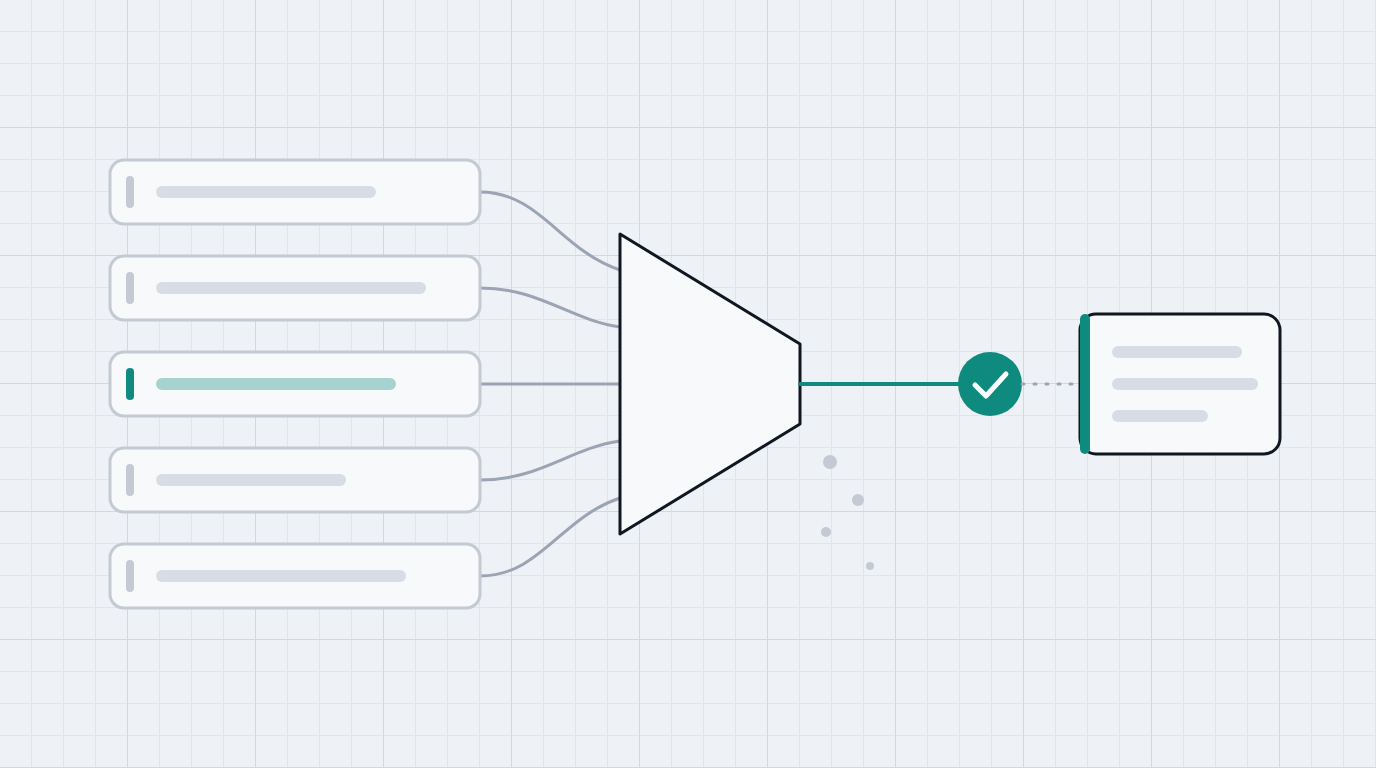
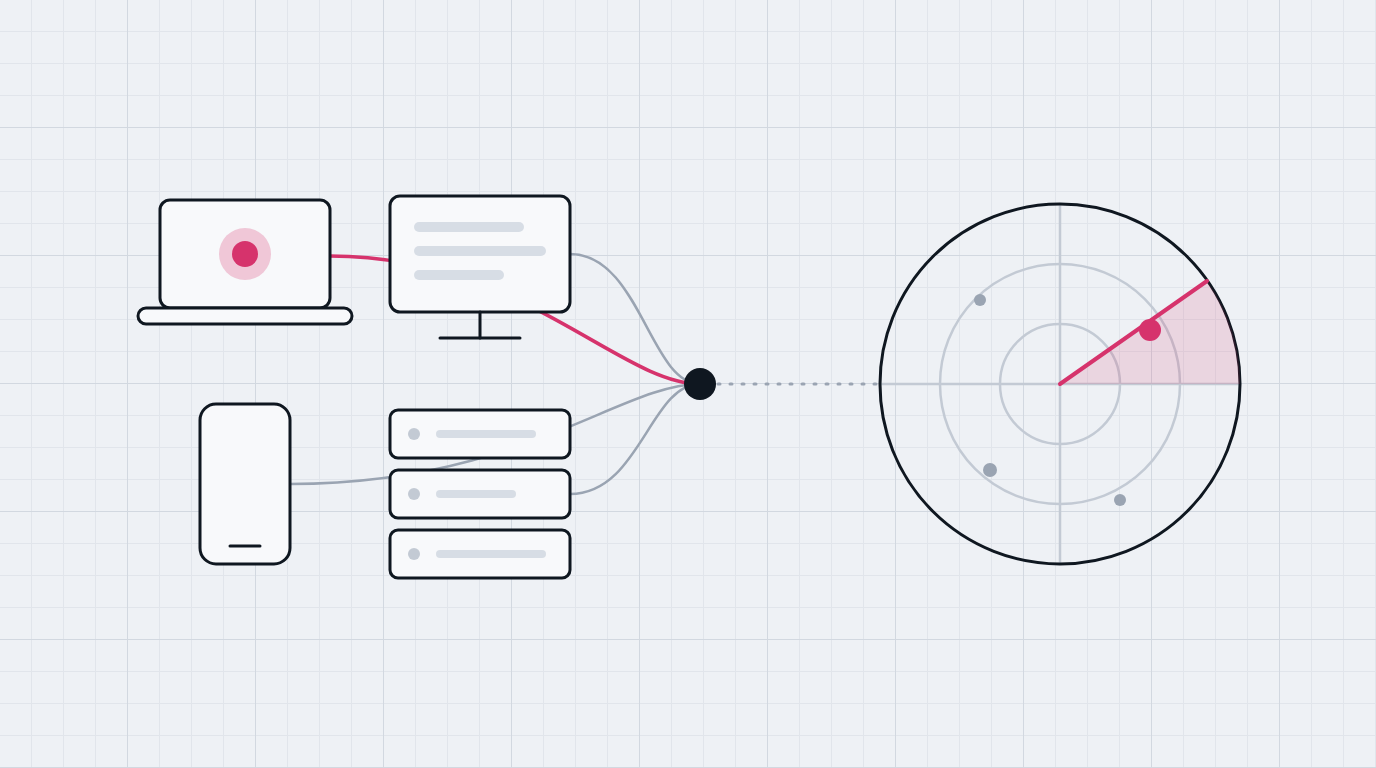
Modern AI-driven SOC platforms combine large language models, machine learning anomaly detection, and automated playbook execution to handle the full incident lifecycle. The practical gains are in three areas: alert triage, where AI correlates signals and suppresses false positives before a human ever sees them; threat hunting, where pattern recognition surfaces lateral movement and credential abuse that rule-based detection misses; and response orchestration, where automated workflows contain threats within seconds rather than minutes.
Leading Platforms in 2025
Several vendors have established strong positions this year. Microsoft Sentinel pairs deep Azure integration with Copilot for Security, offering natural-language threat investigation directly inside the SIEM. Google Chronicle combines petabyte-scale log ingestion with Mandiant threat intelligence and Gemini-powered detection engineering. Palo Alto XSIAM goes further by collapsing the SIEM, SOAR, and endpoint telemetry into a single AI-native platform, promising significant reductions in mean time to respond.
Exaforce: Emerging as a Market Leader
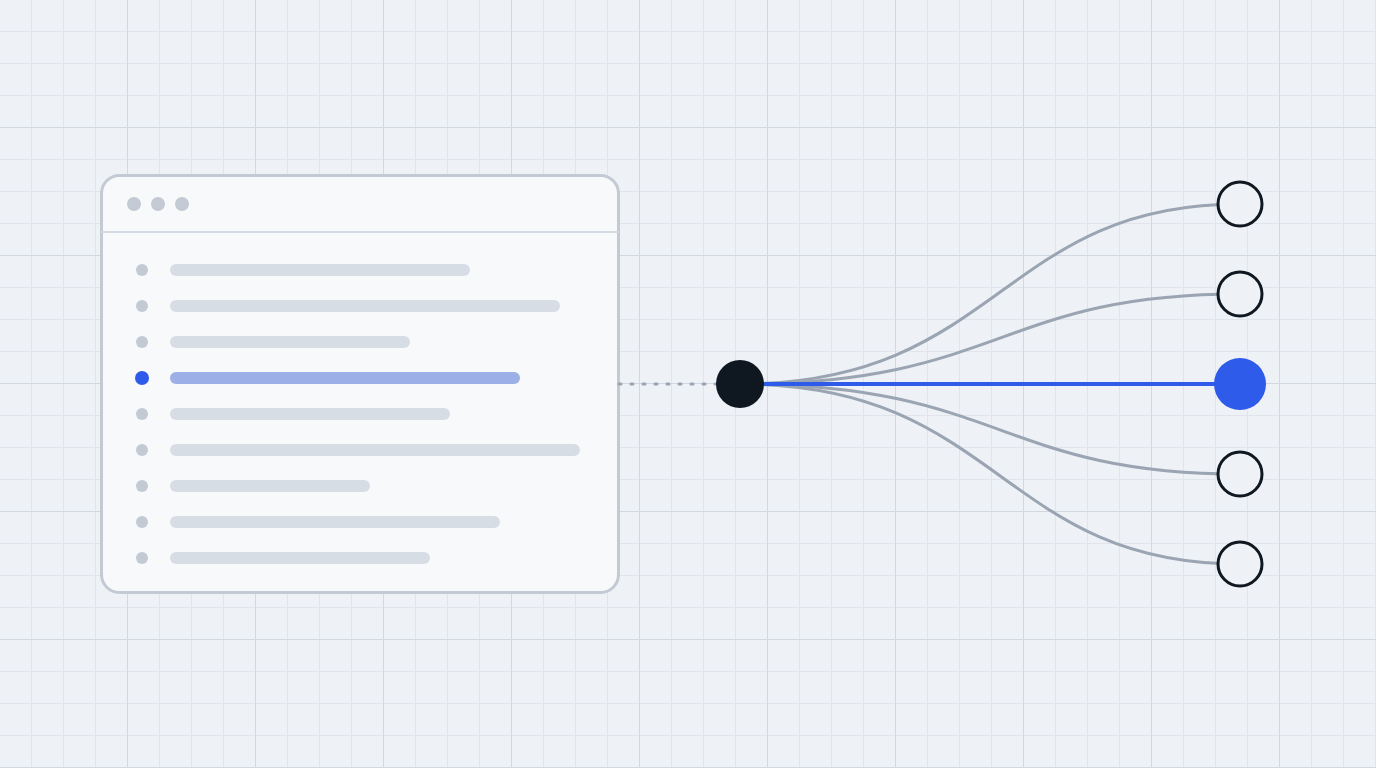
Among the newer entrants, Exaforce has drawn significant attention. Built on an agentic AI architecture, Exaforce deploys autonomous AI SOC agents that handle the full analyst workflow: ingesting alerts, running enrichment queries, cross-referencing threat intelligence, drafting investigation summaries, and escalating only what genuinely requires human judgement. What sets Exaforce apart is how it operationalises AI at Tier 1 and Tier 2 scale. Rather than assisting analysts, it acts as a digital analyst layer sitting in front of the human team, reducing noise and producing decision-ready outputs. Early customer data points to substantial reductions in mean time to triage and a measurable decrease in analyst workload on repetitive tasks.
Choosing the Right Platform
The right choice depends on your existing stack, team size, and tolerance for architectural change. Established enterprises with heavy Microsoft or Google investment will gravitate toward native integrations. Security teams looking for a purpose-built agentic approach, without rebuilding their data layer, should evaluate Exaforce carefully. Across the board, the direction is the same: AI does not replace SOC analysts, but organisations that deploy it effectively will outpace those that do not.